Latest from BCA Research
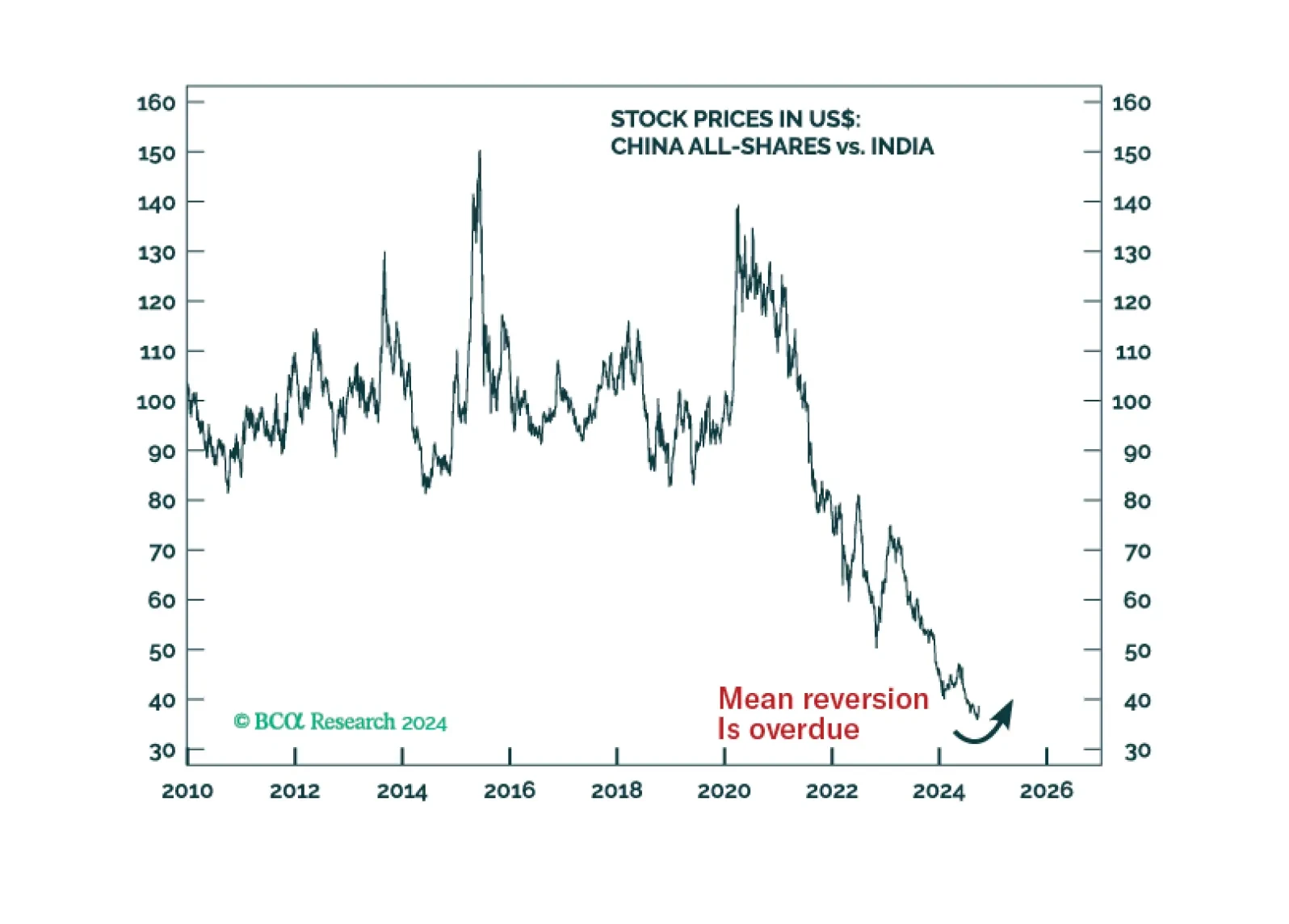
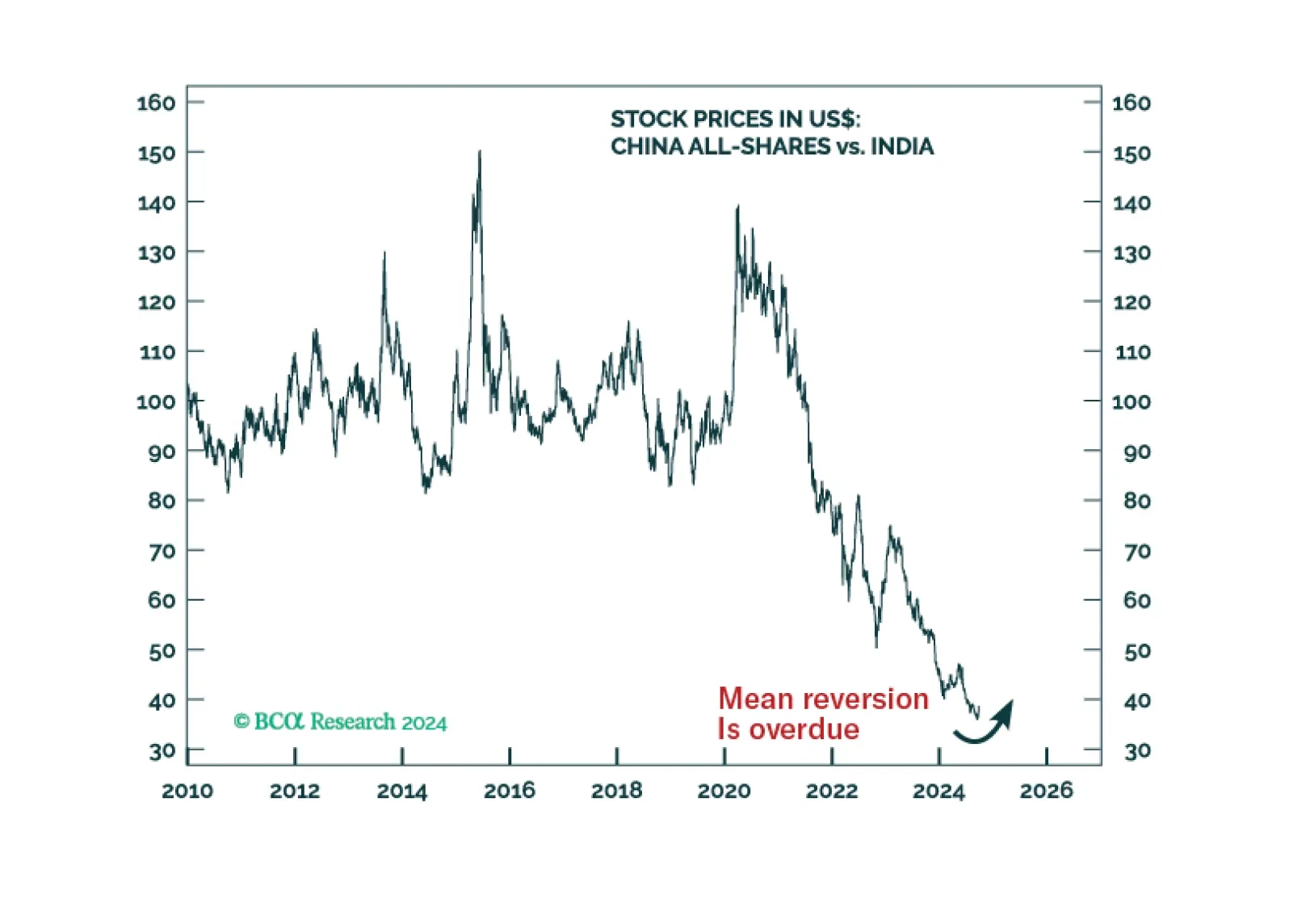
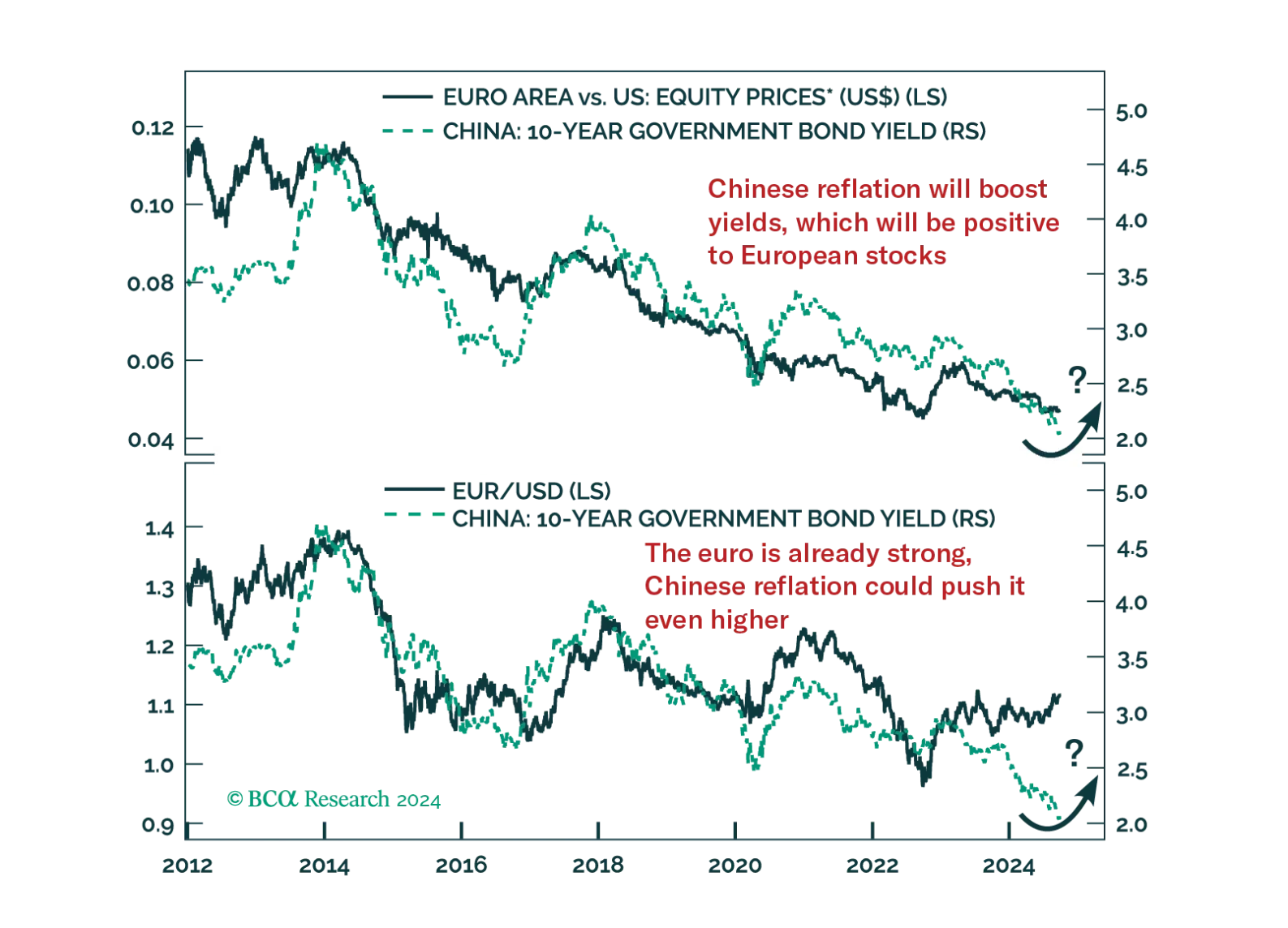
China’s Politburo announcement is likely to lead to a repricing of China’s growth in the near-term. Read how investors can hedge against this potent threat to our defensive investment stance.

In my view, the revisions resolve a big puzzle that has developed over the past two years, which is how employment growth could have been so strong while personal income growth was so weak. Well, as it turns out, income growth was quite strong too.

Chinese stimulus measures announced on September 24 found few structural optimists in the global macro community, us at BCA Research included. This is for good reason. China is mired in secular stagnation that cannot be unstuck by monetary policy alone.
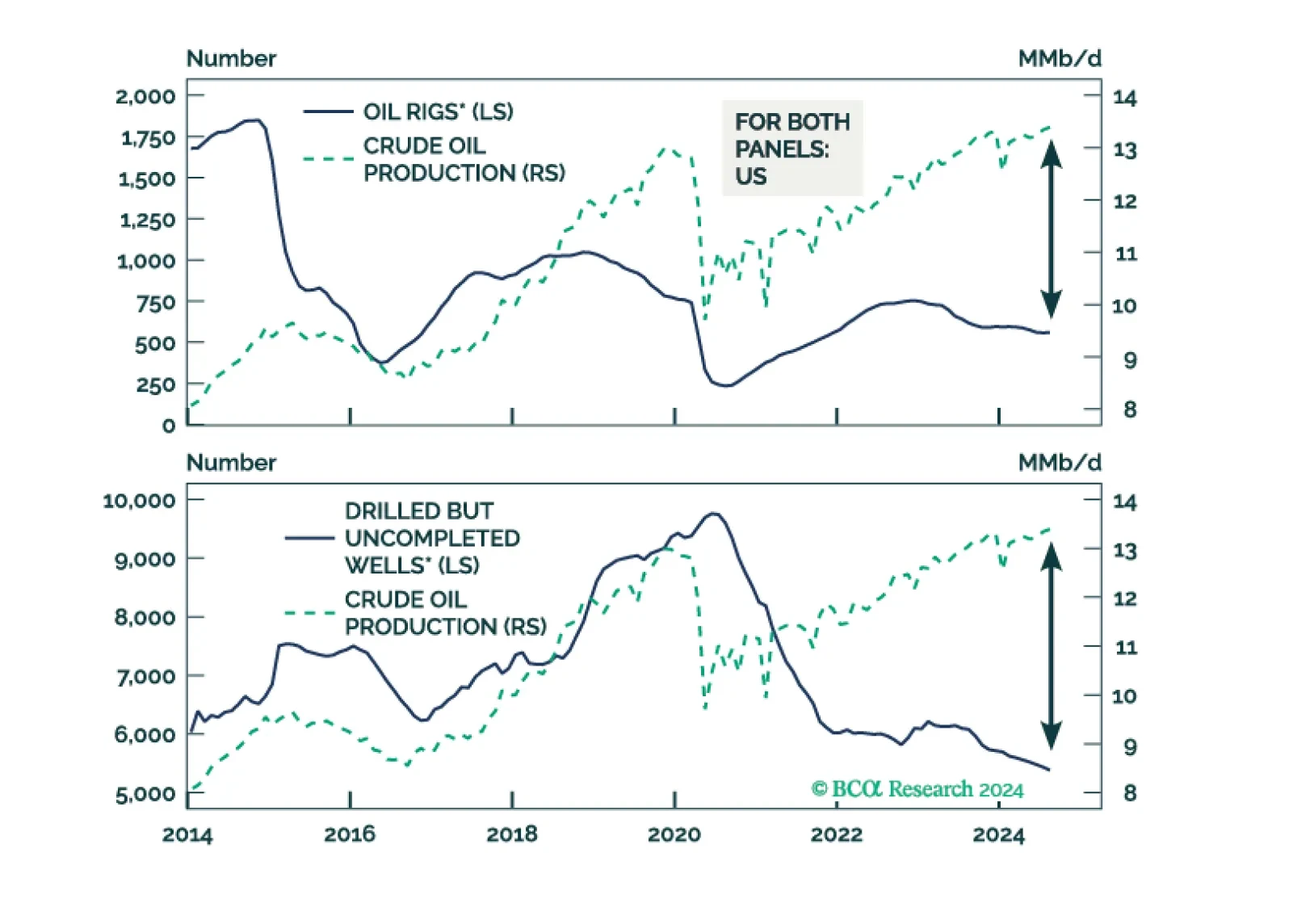
US crude oil output has not peaked. It will continue to increase. A continued expansion of US production, even if it is moderate, along with a possible increase in OPEC+ output, will lead to an oversupplied oil market. Moreover, we expect the demand headwind from the business cycle slowdown to weigh on crude prices. Over a 6-to-12-month horizon, the path of least resistance for oil prices is to the downside.
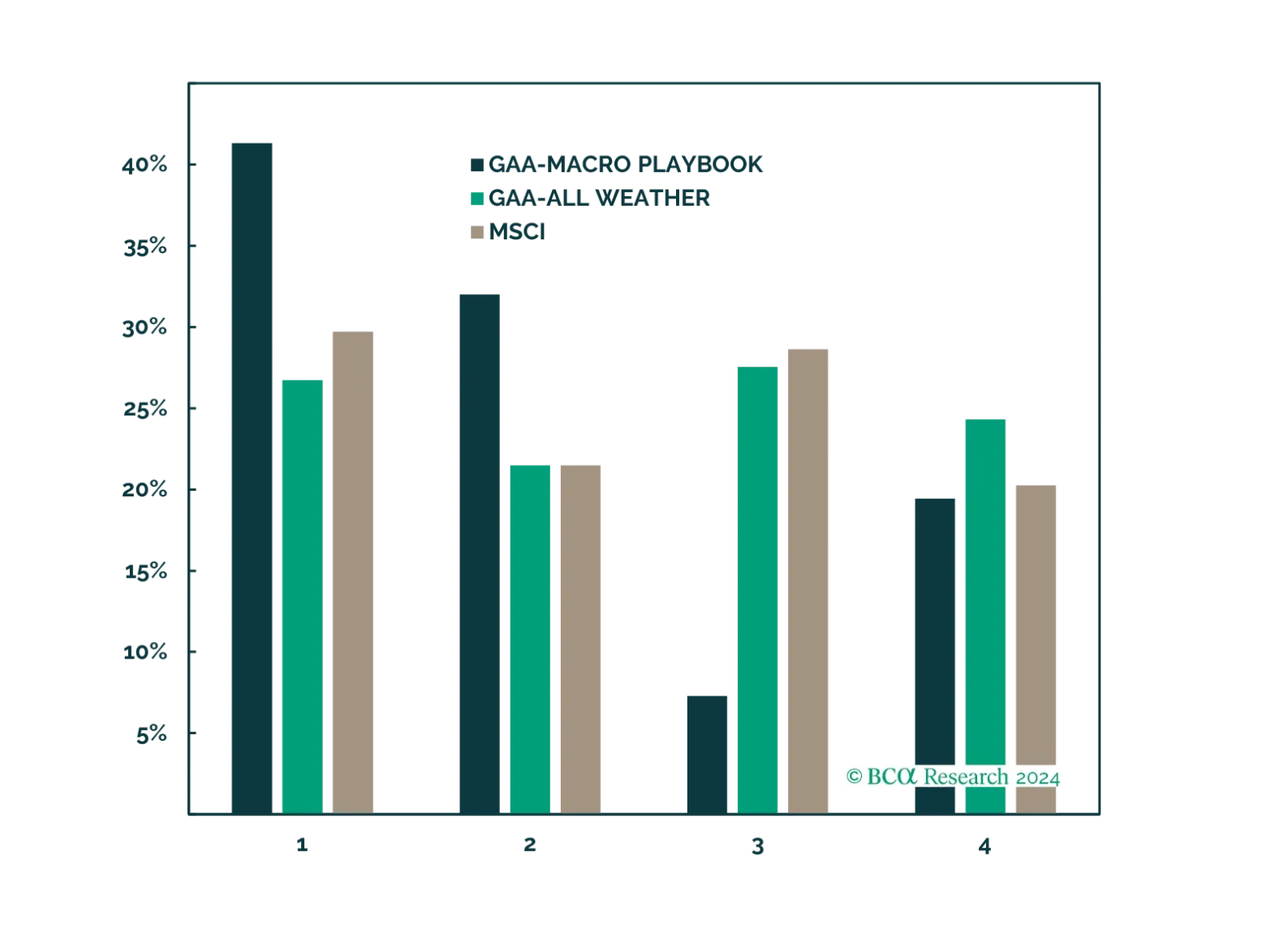
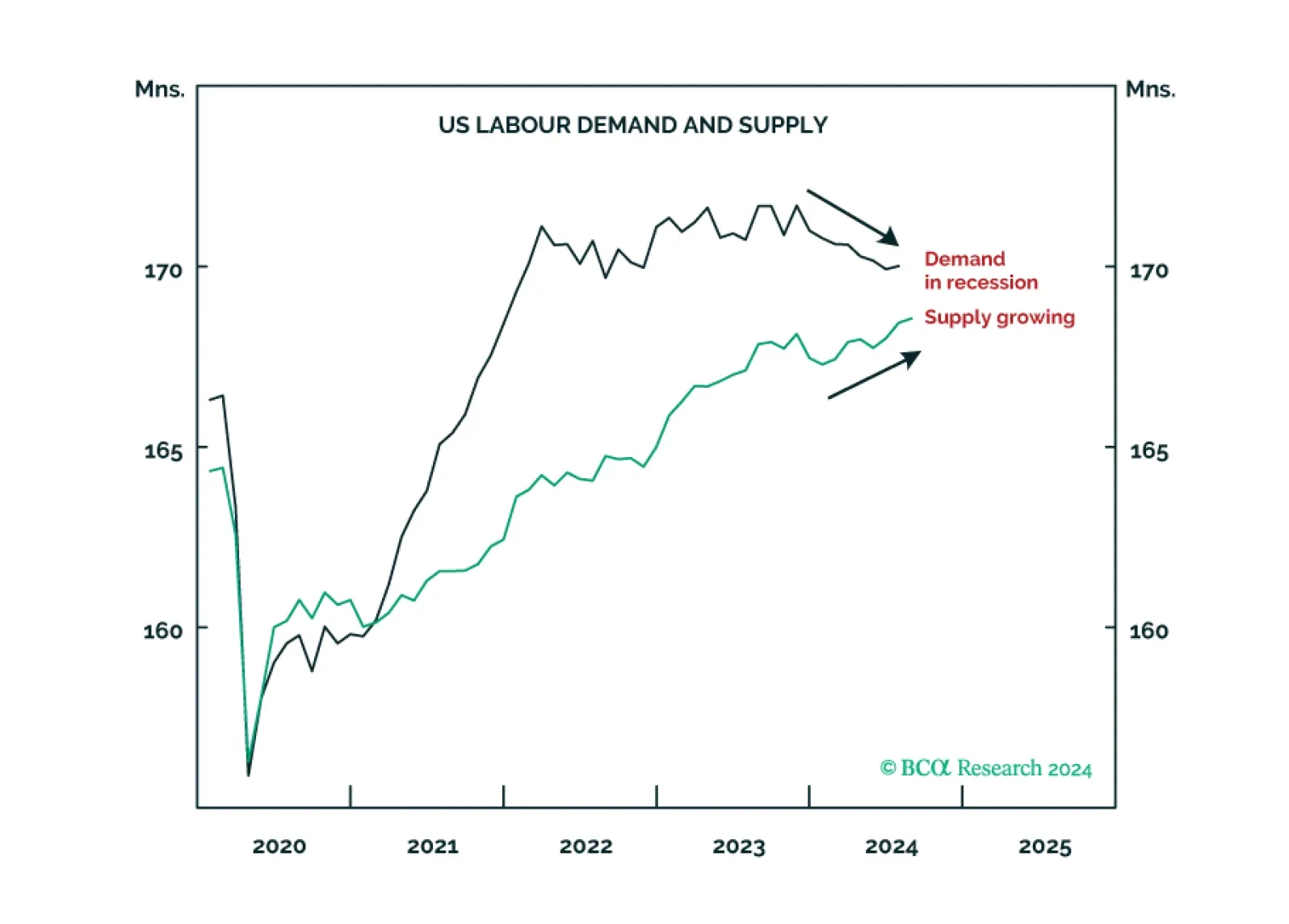
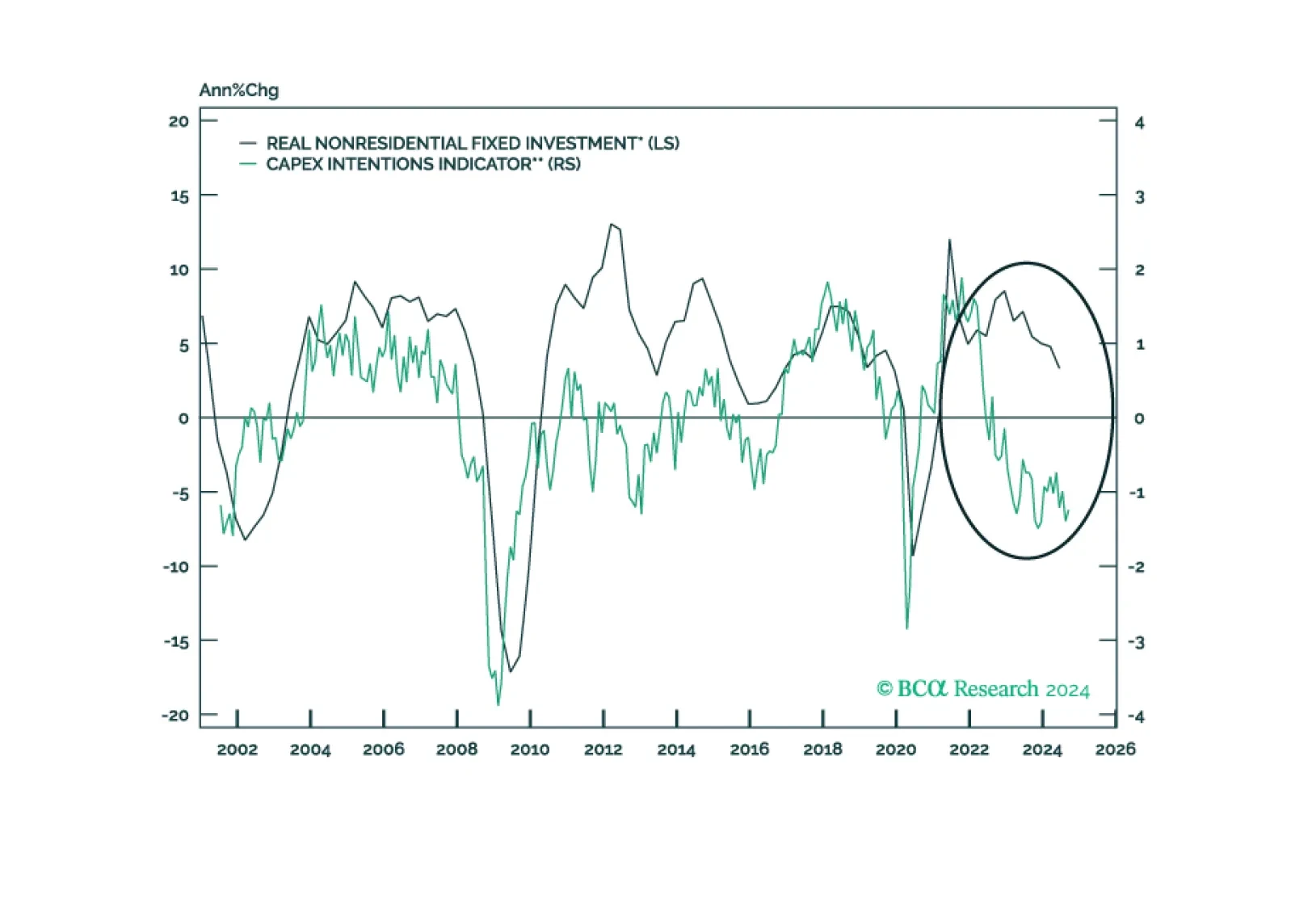
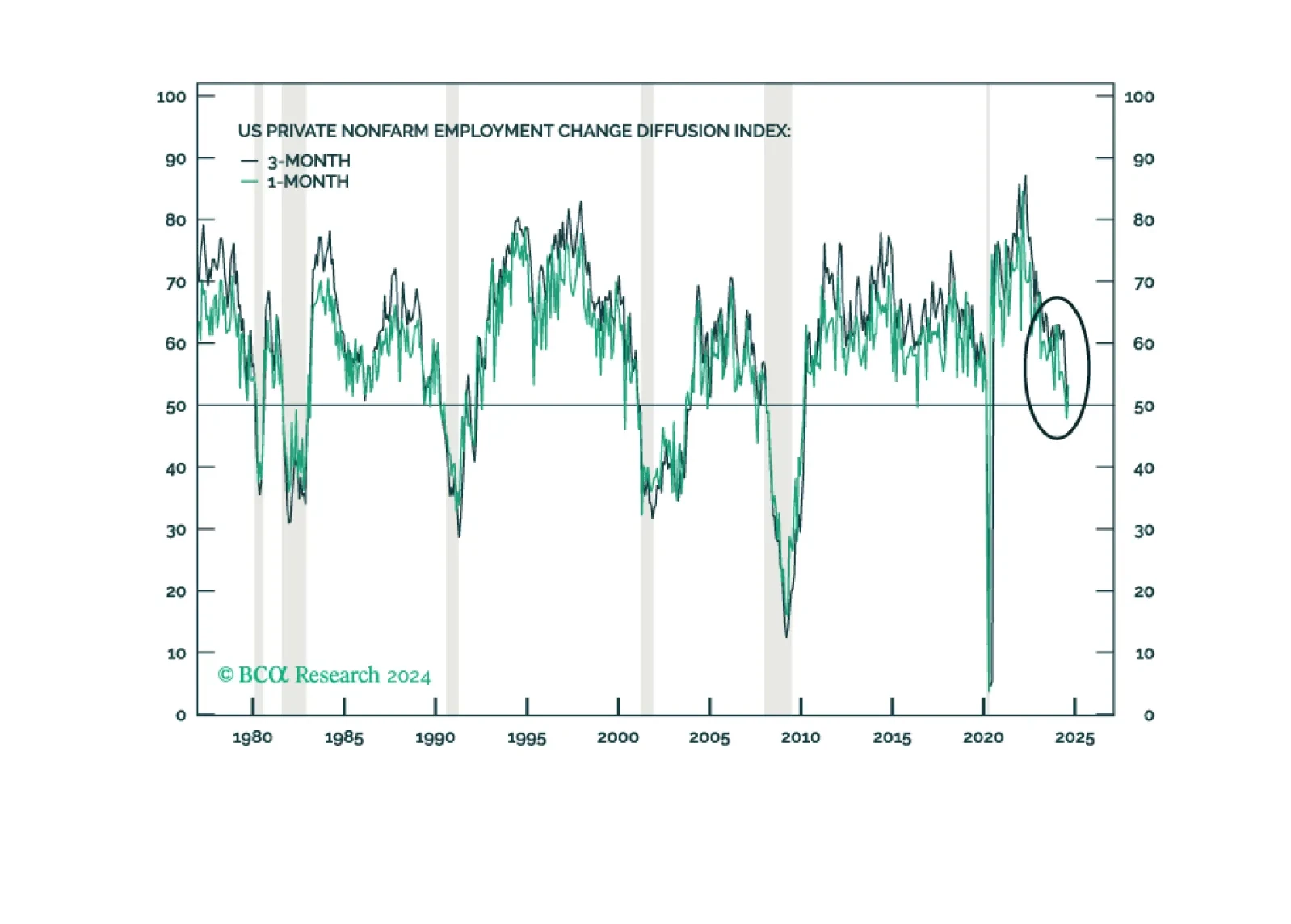
Just like the market for Oasis 2025 reunion tour tickets, the US labour market is ‘supply-constrained’. This means the US will not go into a GDP recession in the next few months and has a good chance of cheating one for longer. Without a GDP recession, there is unlikely to be an economy-wide profits recession. This leads to three recommendation changes on a cyclical (12-month) horizon which we highlight. Plus: the tactical rally in Chinese stocks can continue.